
Car headlights employ sophisticated optical systems, commonly incorporating convex or specially shaped lenses with Fresnel elements positioned ahead of reflectors or projector modules. These components work together to precisely shape and direct the light beam. The outer lens cover is generally constructed from durable, impact-resistant polycarbonate plastic. Various designs utilize concave reflectors, convex lenses, or hybrid configurations to generate specific beam patterns for low and high beams, enhancing road visibility while minimizing glare for oncoming drivers. Modern systems leverage advanced optical technologies tailored for LED and laser light sources.
**Key Components & Types**
- **Reflector Headlights (Older/Basic Design)**: Employ a concave mirror to collect and project light from the bulb forward, with a glass or plastic lens dispersing the beam.
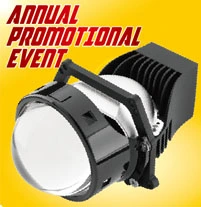
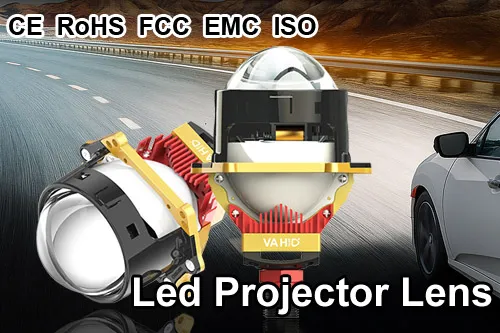
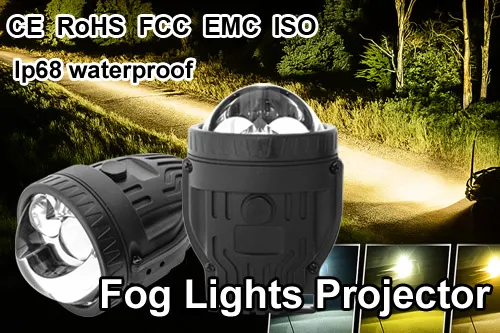
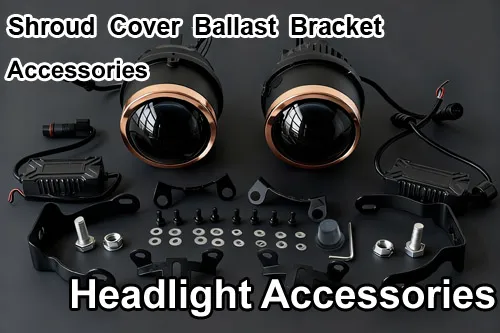
- **Projector Headlights (Modern Design)**: Comprise a reflector bowl, mirrors, and a magnifying lens that produces a brighter, more controlled beam, often using a cutoff shield for precise light distribution.
**Lens Types**
- **Concave Lens**: Found in earlier designs to diffuse light from the reflector.
- **Convex Lens**: Used in contemporary systems, particularly projectors, to focus and project the beam effectively.
- **Fresnel Lenses**: Incorporate concentric rings to manage light distribution, frequently videoded within the main lens or reflector to achieve tailored beam patterns.
**Lens Material**
- **Polycarbonate**: Predominantly used for the outer lens cover thanks to its high impact resistance, optical clarity, and durability under extreme environmental conditions.
**Functional Integration**
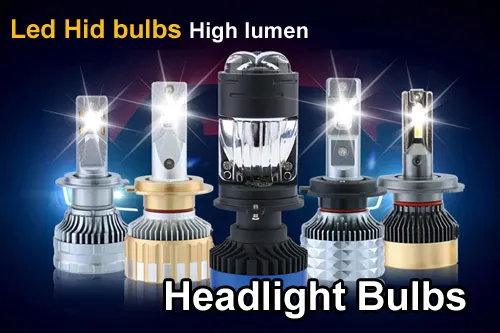
The light source—whether bulb, LED, or laser—is positioned at a precise focal point to ensure optimal beam formation and projection.