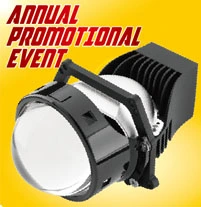

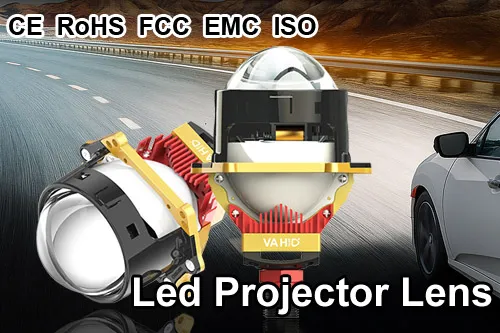
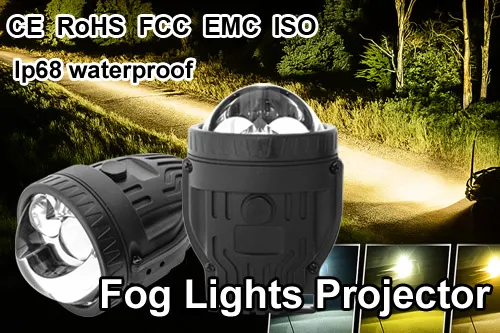
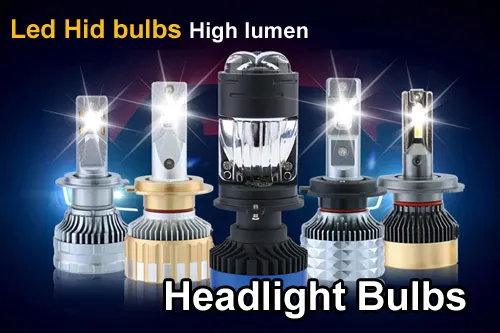
Car headlights primarily use Halogen, LED, Xenon (HID), and Laser technologies, each offering different brightness, efficiency, and lifespan, with Halogens being traditional/cheaper and LEDs/Lasers being modern, brighter, and more efficient, while advanced systems also feature Adaptive/Matrix LEDs and Laser for smart beam control.
Here's a breakdown of the main types:
-
Halogen:
- How it works: Uses a tungsten filament in a pressurized gas-filled bulb.
- Pros: Inexpensive, common.
- Cons: Less bright, shorter lifespan, less energy efficient than newer tech.
-
High-Intensity Discharge (HID) / Xenon:
- How it works: Uses an electric arc between two electrodes in a tube filled with xenon gas.
- Pros: Brighter and more efficient than halogen.
- Cons: Slower to warm up, can cause glare if not properly aimed.
-
Light-Emitting Diode (LED):
- How it works: Uses semiconductor diodes to produce light.
- Pros: Highly energy-efficient, long-lasting, compact, instant on, bright.
- Cons: Can be costly initially.
-
Laser:
- How it works: Uses a laser diode to excite a phosphor, creating bright white light.
- Pros: Extremely bright, very long-range, highly efficient (often paired with LEDs).
- Cons: Very expensive, used in high-end vehicles.
Advanced Systems:
- Adaptive Headlights: Swivel with the steering wheel for better cornering visibility.
- Matrix/Adaptive Driving Beam (ADB) LEDs: Use multiple LED segments to selectively dim or turn off parts of the beam, preventing glare for other drivers while maximizing road illumination.
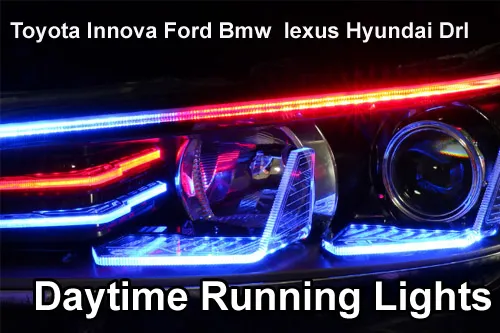
- Daytime Running Lights (DRLs): Lower-intensity lights that run automatically during the day, often LEDs or Halogens.