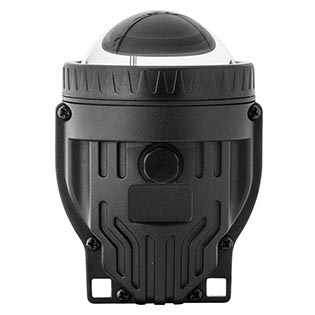

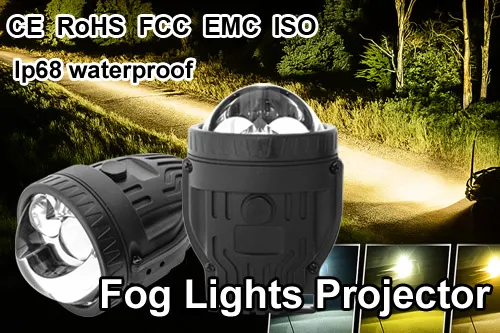
IP67 Waterproof Fog Lights: Why It Matters for Automotive Lighting Performance
When choosing automotive fog lights, waterproof and dustproof protection is one of the most critical factors affecting long-term durability, lighting stability, and driving safety. In harsh environments such as heavy rain, snow, muddy roads, or high-pressure car washing, low-quality fog lights can easily suffer from water ingress, internal fogging, corrosion, or electrical failure.
This is why professional automotive lighting systems increasingly adopt the IP67 waterproof and dustproof standard to ensure reliable performance under demanding driving conditions.
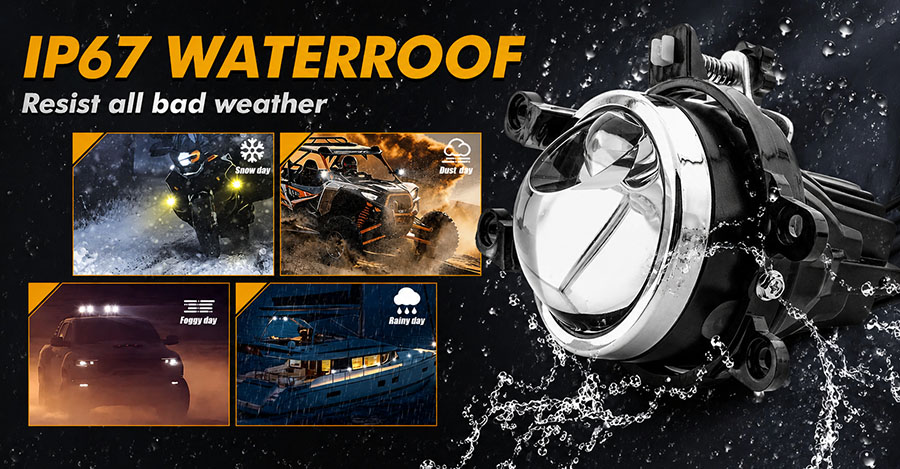
What Does IP67 Mean for Automotive Fog Lights?
The IP rating (Ingress Protection Rating) is an international standard used to measure a product’s resistance to dust and water.
For automotive LED fog lights, the IP67 rating represents a high level of environmental protection.
IP6X – Complete Dustproof Protection
The first digit “6” indicates the highest dust resistance level.
This means:
- Dust particles cannot penetrate the housing
- Internal LED chips and electronic components remain protected
- Sand, dirt, and road debris are effectively blocked
For vehicles frequently driven on construction roads, off-road terrain, or dusty environments, this protection is especially important for maintaining stable lighting performance.
IPX7 – Waterproof Protection Against Temporary Immersion
The second digit “7” means the fog light can withstand temporary water immersion under controlled conditions:
- Water depth: up to 1 meter
- Duration: up to 30 minutes
without water leakage or internal electrical damage.
This level of protection helps automotive fog lights remain functional during:
- Heavy rain
- Flooded roads
- Snowstorms
- Mud splashes
- Extreme weather conditions
Why IP67 Fog Lights Are Important for Vehicles
Automotive lighting systems operate in constantly changing outdoor environments. Without proper sealing technology, moisture can easily enter the lamp housing and create long-term performance issues.
1. Prevents Internal Fogging and Condensation
One of the most common problems with low-quality fog lamps is internal condensation.
Temperature differences between the inside and outside of the lamp can create moisture buildup, causing:
- Foggy lenses
- Reduced brightness
- Distorted beam patterns
- Poor nighttime visibility
IP67 sealed fog lights significantly reduce the risk of internal moisture accumulation and help maintain clear and stable lighting output.
2. Improves Durability in Harsh Weather
Vehicles regularly encounter:
- Rainstorms
- Snow
- Mud
- Road salt
- Humid climates
An IP67 waterproof fog light housing protects sensitive LED drivers and circuits from corrosion and water damage, extending the lifespan of the lighting system.
This is especially important for:
- Off-road vehicles
- Pickup trucks
- SUVs
- Commercial vehicles
- Daily driving in wet climates
3. Resistant to High-Pressure Car Washing
Modern vehicles are frequently cleaned using high-pressure water systems.
Inferior fog lights may develop leaks after repeated washing, eventually causing:
- LED failure
- Water stains
- Lens discoloration
- Short circuits
IP67-rated fog lights are designed to withstand water spray exposure during regular vehicle washing and maintenance.
4. Maintains Stable Driving Visibility
Stable lighting performance directly affects driving safety.
Water intrusion inside the fog lamp can cause:
- Uneven illumination
- Flickering
- Reduced beam distance
- Poor visibility in foggy weather
With IP67 protection, the fog light maintains:
- Consistent brightness
- Clear beam focus
- Reliable road illumination
- Safer nighttime driving
Key Technologies Used in IP67 Automotive Fog Lights
Professional-grade LED fog lights typically include:
- Sealed housing construction
- Waterproof rubber gaskets
- Pressure-balancing ventilation systems
- Corrosion-resistant aluminum housing
- High-temperature resistant materials
- Anti-fog lens technology
These design features help improve both waterproof performance and long-term reliability.
How to Choose High-Quality IP67 LED Fog Lights
When selecting automotive fog lights, buyers should evaluate more than just brightness.
Important factors include:
Waterproof Certification
Choose products with genuine IP67 or higher waterproof ratings.
Housing Material
Aluminum alloy housings offer better heat dissipation and corrosion resistance than plastic alternatives.
Lens Sealing Quality
High-quality sealing reduces moisture intrusion and prevents internal fogging.
LED Chip Stability
Reliable LED chips provide:
- Stable brightness
- Longer lifespan
- Lower failure rates
Applications of IP67 Automotive Fog Lights
IP67 waterproof fog lights are widely used in:
- Passenger cars
- SUVs
- Pickup trucks
- Jeeps
- Trucks
- Off-road vehicles
- Commercial fleets
They are especially suitable for regions with:
- Heavy rainfall
- Snowy winters
- Tropical climates
- Humid environments
Conclusion
IP67 waterproof and dustproof protection has become an essential standard for modern automotive fog lights. It not only improves durability and weather resistance, but also helps maintain stable lighting performance and driving safety in demanding road conditions.
For automotive wholesalers, distributors, retrofit shops, and vehicle owners, choosing high-quality IP67 LED fog lights can significantly reduce maintenance problems, improve product reliability, and enhance the overall driving experience.